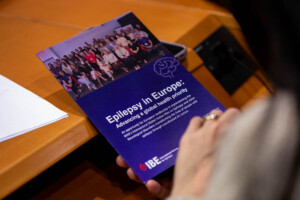
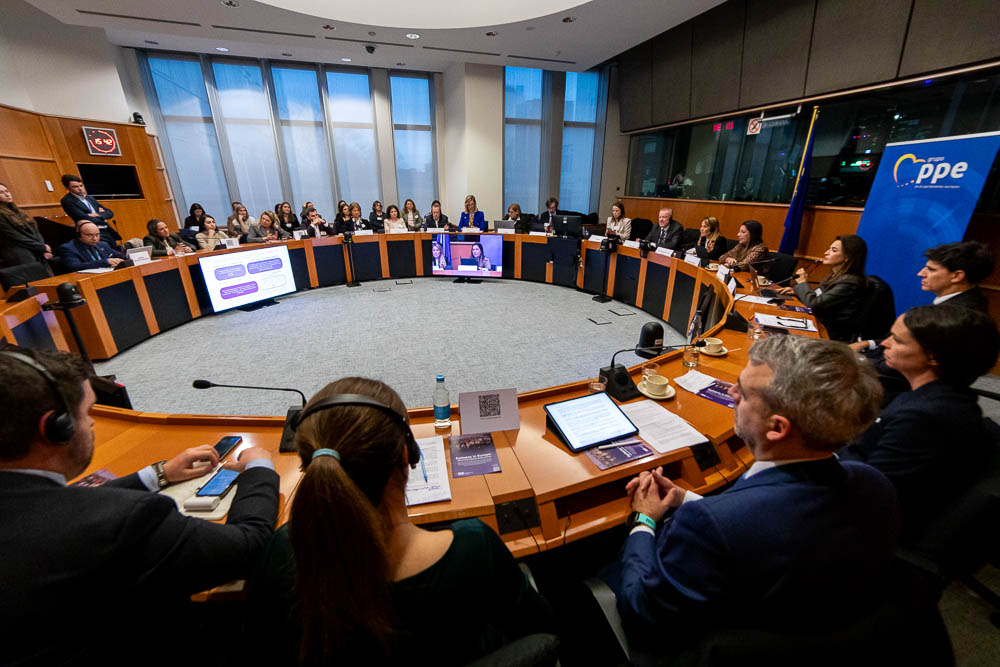
On 2 December 2025, the European Parliament became a meeting place for dialogue, reflection and renewed ambition as policymakers, clinicians, researchers, patient organisations and people with lived experience came together to explore how Europe can better respond to epilepsy and rare diseases.
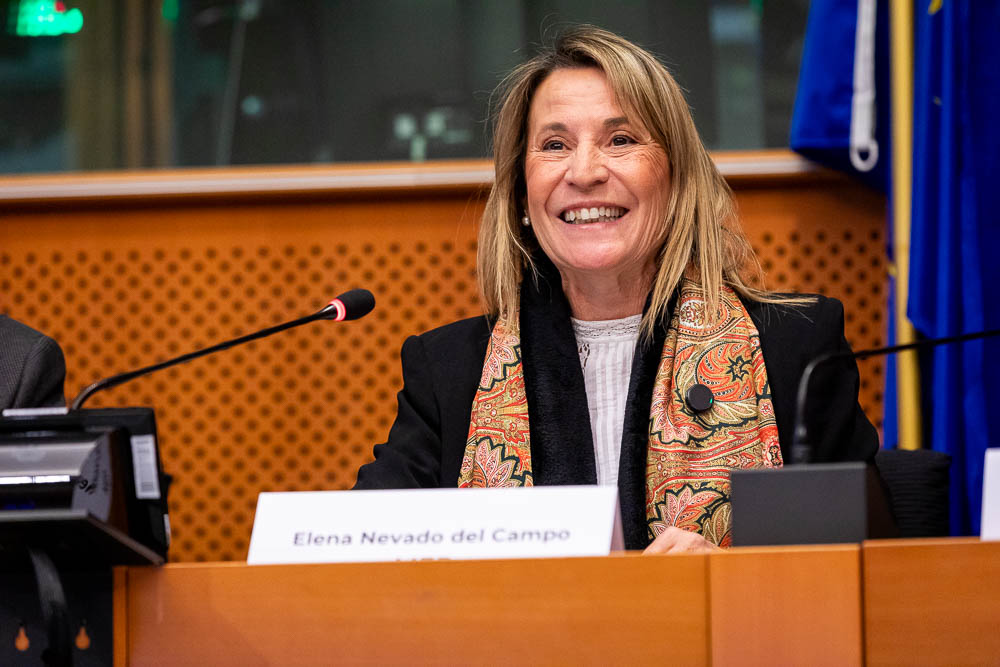 Co-organised by the IBE and the Spanish Epilepsy Federation (FEDE), and hosted by MEP Elena Nevado del Campo, the meeting focused on breaking down long-standing silos and building stronger synergies between epilepsy and rare disease policy. With contributions from Members of the European Parliament and representatives of EU institutions, the discussions underscored both the scale of the challenge and the opportunity for coordinated European action.
Across the discussions, a clear picture emerged: while epilepsy is common, many epileptic syndromes are rare, complex and poorly understood, leaving people and families navigating fragmented systems of care. Drawing on evidence from IBE’s Global Epilepsy Needs Study, participants reflected on the everyday barriers people with epilepsy continue to face across Europe – from delayed diagnosis and uneven access to specialised care, to stigma, mental health challenges and restrictions on education, work and social participation.
Rather than viewing these challenges in isolation, the meeting placed them firmly within a broader global and European context. The WHO Intersectoral Global Action Plan on Epilepsy and Other Neurological Disorders and the newly adopted WHO Resolution on Rare Diseases were presented as complementary frameworks that, if implemented together, could drive more integrated, people-centred responses across health and social systems.
A recurring theme was the need to move from commitment to implementation. While Europe has strong clinical expertise, research capacity and policy tools at its disposal, participants acknowledged that progress remains uneven. The discussion therefore shifted towards practical solutions, including how existing European infrastructures such as the EpiCare European Reference Network can be strengthened and sustained, and how epilepsy can act as a tracer condition for wider advances in brain health.
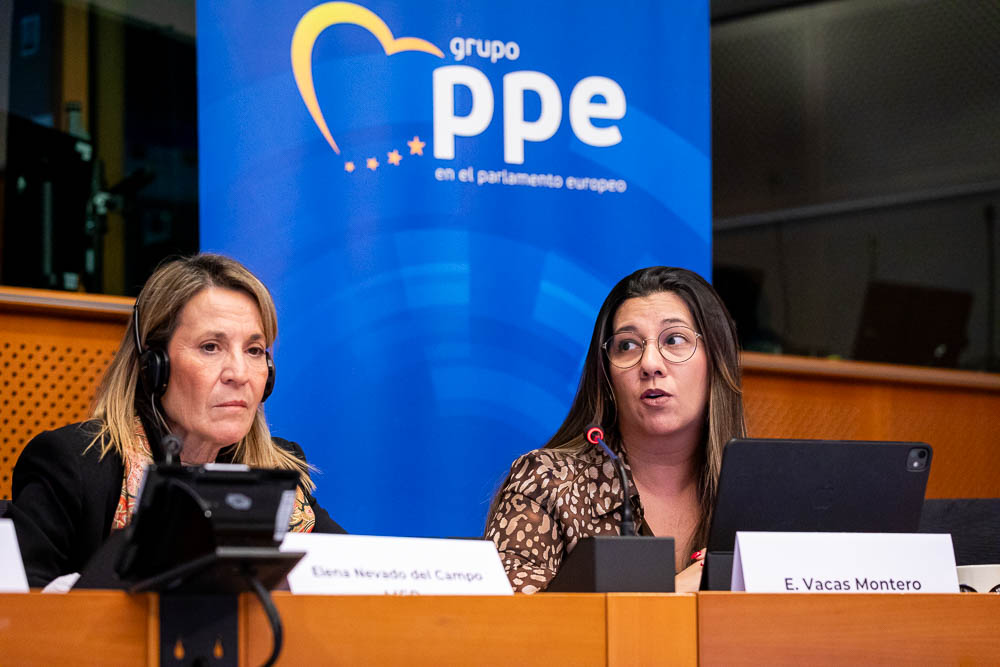 Spain’s EpiAlliance was highlighted as a tangible example of what coordinated action can achieve. Built on shared leadership between the scientific community and patient organisations, the initiative demonstrates how collaboration can align clinical priorities with real-world needs, accelerate implementation, and provide a model that can be adapted by other Member States.
The panel discussions highlighted a recurring theme – that progress depends on partnership. Whether through research, data sharing, policy development or advocacy, no single actor can deliver change alone. Epilepsy, particularly rare and complex epilepsies, demands approaches that recognise both medical complexity and human impact – including the social and emotional burden often carried by families and caregivers.
Closing the meeting, participants looked ahead to the next phase of European engagement. In 2026, IBE will launch a new European public affairs strategy, including a European Epilepsy Summit and the coordination of a European Epilepsy Barometer, reinforcing its commitment to ensuring that the voices and needs of people living with epilepsy are embedded in Europe’s future health priorities.
The meeting concluded not as an endpoint, but as a marker of shared intent: to move beyond silos, build lasting synergies, and place people living with epilepsy and rare diseases at the centre of European decision-making.